
 4505 Wasatch Blvd, #260
Connect With Us





What if you leave your house, get half a block away and think: “Did I forget to lock the front door?” You turn around, go home and check. It’s locked. 2 miles later and that same thought comes back. Now what should have been a 25 minute drive to work turns into an hour.
That could be obsessive compulsive disorder. Our therapists can help you understand what’s happening in your body and your mind, and then give you real steps to implement so you don’t have to go back home to check the lock.
OCD is an acronym: Obsessive Compulsive Disorder.
The obsessions are thoughts that are unwanted, and they usually come with fear. The compulsions arewhat the person will do to get just a little relief, like re-checking the locks or making sure the oven really is off. But the relief doesn’t last, and when the thoughts come back, the cycle starts over again.
According to the Huntsman Mental Health Institute at the University of Utah, about one in 100 people in the United States have OCD, and many of them spend an hour or more each day dealing with their own obsessions and compulsions.
“I had a client who was afraid she would leave the oven on and her house would burn down. She would get two, three, four blocks from home, and then the intrusive thoughts would come. She’d go back and check. The oven was off. And it would go back and forth. People with OCD can lose jobs over this.”
Ed Peterson, LCSW, MBA
Common signs of OCD:
If this sounds familiar, an OCD therapist can help you understand the cycle and start breaking it.
“I am so grateful for Ed and the work we’ve done together in therapy. He helped me better understand my emotions, recognize patterns that were keeping me stuck, and communicate more effectively in my relationships. His gentle, kind, and compassionate approach created a space where I felt safe to be honest and vulnerable. Through our work together, I’ve gained greater self-awareness, confidence, and a deeper understanding of myself. I highly recommend Ed to anyone looking for a thoughtful and skilled therapist.”
– Sarah S.
The first thing we’ll do is help you understand your own anxiety and fear, especially what you might be feeling in your body. We do a lot of mindfulness practice. And we talk through what OCD is, so that you can understand it with your mind, and then we work out some of the steps you can take to start addressing it.
OCD therapy draws on the same clinical tools Ed and Candace use across their practice:
Exposure therapy, also called exposure and response prevention (ERP), is the main thing and the most effective approach. We help you experience some of the anxiety, sit with it, and then not go back and fix it. Maybe you check half as much the first day. Then you build on that a little bit more, and a little bit more.
Practical tools that make exposure easier. For example, when you lock the door correctly, you put a small mark on your finger with a Sharpie. That mark reminds you the door was locked when you left. Same thing for the oven.
Cognitive Behavioral Therapy (CBT) to understand the fearful thoughts driving the compulsions and change how you respond to them.
An attachment lens that most OCD treatment leaves out. People with OCD need to learn to get better attached to themselves, so they trust themselves and don’t give in to the obsessions and compulsions. This comes from the Emotionally Focused Therapy work at the center of our practice.
OCD treatment is part of the individual therapy in Salt Lake City that Ed and Candace provide. When a medication evaluation makes sense, we’ll point you toward the right psychiatric provider and keep working with you in therapy.
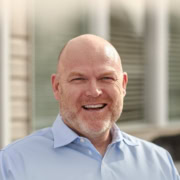
Ed Peterson, LCSW, MBA is a Certified EFT Therapist and Certified EFT Supervisor through ICEEFT, with over 20 years helping adults make lasting change. Ed’s style is direct and motivational. He encourages clients to take calculated emotional risks, which is exactly what exposure work asks of you.

Candace Peterson, LCSW brings over 20 years of experience, with training in CBT, ACT, DBT, and mindfulness. Candace starts with a thorough assessment and builds trust before change work begins, so exposure happens at a pace you can keep up with.
Left alone, OCD can cost people their jobs and slowly take over their lives. It doesn’t have to go that way. Treatment can reduce symptoms enough that they stop running your day. The goal is simple: leave the house, trust that you locked the door, and keep driving.
Interested in learning more about OCD therapy in Salt Lake City? Fill out the form below to request a free 15 minute consultation.
Call us today: (801) 809-7990 or fill out the form below to schedule your consultation.

Is OCD just being a perfectionist or a neat freak?
No. OCD involves unwanted, fearful thoughts and compulsions that bring short term relief and then pull you back in. It causes real distress and can take an hour or more out of every day.
What is exposure therapy for OCD?
Exposure therapy helps you face the anxiety a little at a time without doing the compulsion. Over time your brain learns it can handle the fear without checking. We start small, sometimes cutting checking in half on day one, and build from there.
Is OCD an anxiety disorder?
OCD is its own condition, but anxiety and fear drive it. That’s why we spend time helping clients understand the anxiety they feel in their body before and during exposure work.
Can therapy help if I’m already taking medication for OCD?
Yes. Medication and therapy address different pieces. Therapy builds the skills to stop giving in to compulsions, which medication alone doesn’t do.
Can OCD be cured?
OCD is usually something people manage over time rather than cure. With treatment, symptoms can drop enough that they no longer interfere with work, relationships, or daily life.
Do you work with adults only, or teens too?
Ed and Candace work with adults 18 and older.